Accidents involving shadow fleet cast dark light

This account of the aftermath of the Pablo explosion on May 1 is chilling. Three crew were killed. But now no one is standing up to take charge of disposal of the wreck, much less the other damages it caused. Malaysia is the nation where the ship blew up.

No hull insurers have stepped forward. The ship was flagged in Gabon, not known for strict enforcement of owner obligations. And the ship is operated as a single-ship shell company, based in Marshall Islands. It appears not to have insurance.

It’s clear the vessel was engaged in transporting sanctioned oil. The cleanup will likely never be paid for.

The ship is not yet a ‘wreck’ in the sense of the Nairobi Wreck Removal Convention, which would allow a state (Malaysia) to remove it if it posed a danger to safety of lives, goods, sea traffic, or the environment. The hull might have some salvage value, so a hull insurance firm might be interested. So we have to wait to see what happens.

International rules are set up so that accidents like this will be taken care of, even though extensive and complex litigation may be required. But the countries engaging in sanctioned trade are placing others at risk and expense when something goes wrong.

It’s certainly a negative for Russia, Iran, Venezuela, and other nations who are using these shadow ships to move their oil. Those countries ought to step up and guarantee the costs through their insurers when these maritime accidents happen.

 Sam Chambers June 21, 2023

Exclusive satellite images of wrecked Pablo tanker cast dark light over shadow fleet

Seatrade logo

Marcus Hand | Jun 23, 2023

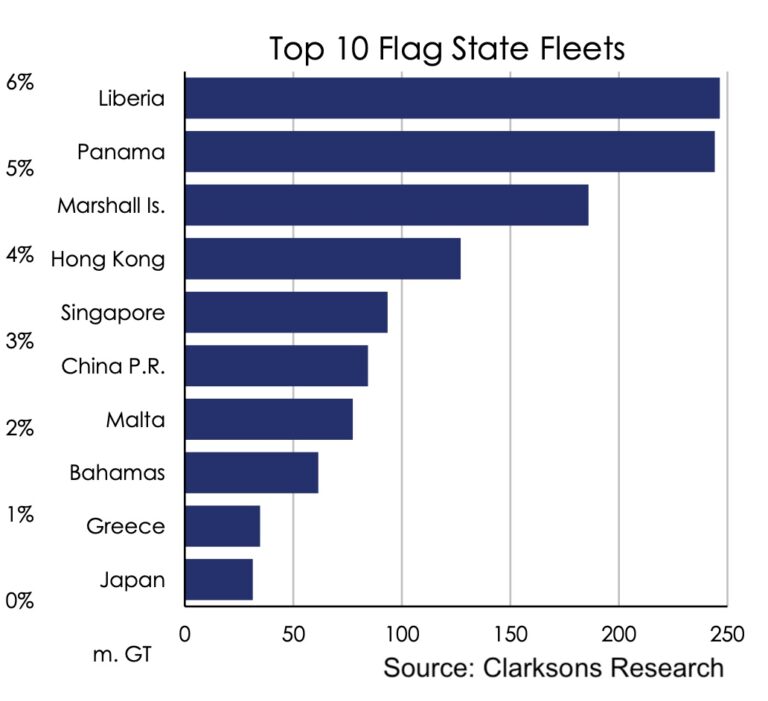
Panama expels 6.5 million gt of ships linked to Iran, North Korea or sanctions

West Coast container ports hit by labor actions

Apparently the negotiations between the Pacific Maritime Association (PMA) and the International Longshore Workers Union (ILWU) are not going well over wages.

Some peripheral issues have been settled, but union workers want a share of the massive profits generated by the container carriers during the COVID time. PMA represents ocean carriers and terminal operators in the negotiations, and some terminals are controlled or dominated by a carrier or a group of them.

I think that is appropriate. Anyone’s analysis of the labor economics of unions will indicate that unions only have occasional times when they have any leverage over their terms of employment. This is one of them.

They should be expected to bargain hard for wage increases because they have not had a new contract since 2015. A lot of water has gone under the bridge, including massive profits for ocean liner firms. Longshoremen played a large part in the successful import and export of all those containers.

The PMA has not had a good record of conducting these negotiations, sometimes playing hardball when their sponsors would have liked a little softer approach. It’s true that the ILWU is known for its intransigence also.

But now the PMA should make a realistic offer. Inflation is high, there’s no prospect of it moderating very much very soon, and there are all those past years to make up for. Longshoremen deserve to be paid fairly for their work in the light of present, and possibly future, economic conditions.

These incidental stoppages for short times are just warnings. Neither side should want a general strike, because the new increases in West Coast shipping, after a long decline, are just emerging. It’s true some traffic has left for the East Coast, but the facts are that West Coast ports that operate well are still the fastest and most reliable way to ship to America from the Far East. If they are seen as reliable, traffic will return.

Time to step up and make an offer longshoremen are likely to accept.

Greg Miller Sunday, June 04, 2023

West Coast container ports hit as labor talks take ominous turn

Hoptek helps trucking firms be data literate

Subscribe to continue reading

Subscribe to get access to the rest of this post and other subscriber-only content.