This is the kind of cooperative project that can provide success in ESG innovation. It’s a sort of ‘green corridor’ project, with a network of bunkering terminals, and ships to service offshore oil operations in the Norwegian Continental Shelf.
By 2030 about 80 new or rebuilt ships, powered by ammonia, will be servicing the oil operations in that area. Let’s hope it works out.
The problems of handling ammonia at sea are fairly well understood. We have to see what technology they develop to insure safety and easy handling by seamen and shoreside workers.
The West Australia – East Asia Iron Ore Green Corridor Consortium has released a study showing the way for a green corridor to use ammonia fuel. The study looked closely at the capability of the ports to provide ammonia bunkering and sources of clean ammonia.
Ammonia-powered ships could be a reality quickly, because the engine architecture is very similar to current marine engines. However, storage of ammonia bunkers at sea is still an issue, and safety standards have not yet been designed.
The consortium started in November of 2021, with major charterers BHP and Rio Tinto, and shipping companies Oldendorff Carriers and Star Bulk Carriers working jointly to make the corridor successful.
I was unsuccessful in finding a copy of the actual report online. but it’s good news, because this route is one of the major world bulk carriage routes, and reductions in emissions will be helpful.
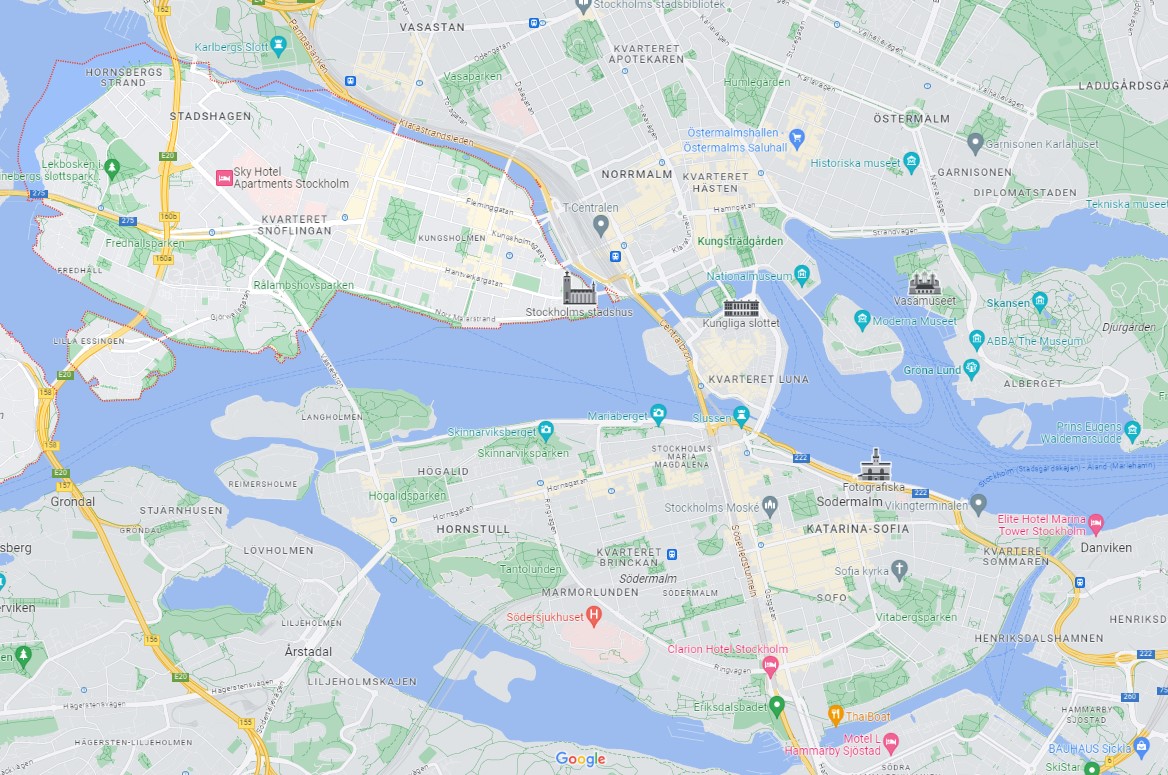
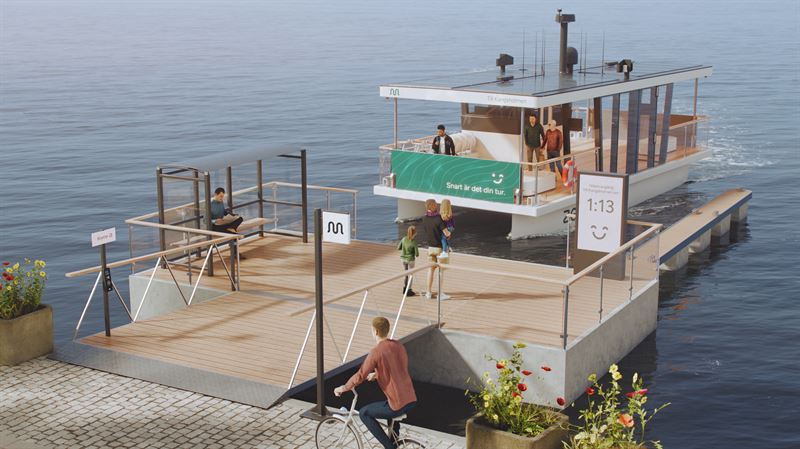
Stockholm will launch the world’s first self-driving passenger ferry, powered entirely by electricity. The ferry will run between the Stockholm islands of Kungsholmen and Sodermalm, starting in June, 2023.
It is owned by Torghatten AS, one of Norway’s important companies in the transportation industry. Torghattan’s annual revenue is approximately NOK 3.7 billion and it has approximately 1250 employees. Its core business is seaborne transportation in Norway (Torghattan website), with over 90 passenger and ferry vessels. Torghattan is owned by the Swedish private equity company EQT.
Ideas for the ferry started at the Norwegian University of Science and Technology (NTNU) in Trondheim, Norway. The goal was to create more sustainable urban mobility. The company Zeabuz was spun off from the autonomous vessel research community at NTNU, who built the first autonomous ferry prototypes, specifically to develop the autonomy system for these ferries.
Stockholm has many islands. Kungsholmen is central to the city, and is where the city hall (Stockholms stadshus) is located. Sodermalm is a neighboring island, just to the south. The distance traversed is not large, but an autonomous ferry will make it convenient to travel between the islands. There are bridges, but the ferry provides a walkable alternative.