Labor disruption coming for supply chains

Now is the time for labor unions to press ports and railways for new benefits for workers. There is a perfect storm of labor stoppages about to take place.

Thursday (that’s two days from this writing) the Teamsters Canada union (TCRC) expects to strike the CPKC railroad, one of the two largest in Canada. CPKC is also a large US and Mexico railway, and we’ve yet to see if US unions will honor a Canadian strike. The Canadian National (CN) rail line has blocked the strike by giving a lockout notice to the union. So there’s a high likelihood that most Canadian rail shipments will be shut down later this week.

The TCRC has turned down offers made in January, April and May. The labor agreements with the rails expired at the end of 2023, and the workers are working under the old contract. There have also been some rules changes by the government to reduce fatigue, that are not accounted for in the contracts. In fact, the union claims the rails want to ‘gut the collective agreement of all safety-critical fatigue provisions’. That may be hyperbole, but it’s indicative of the bitterness of disagreement.

The Teamsters represent about 10,000 workers. The Labor Minister has not issued an order for binding arbitration, so it’s likely there will be stoppages.

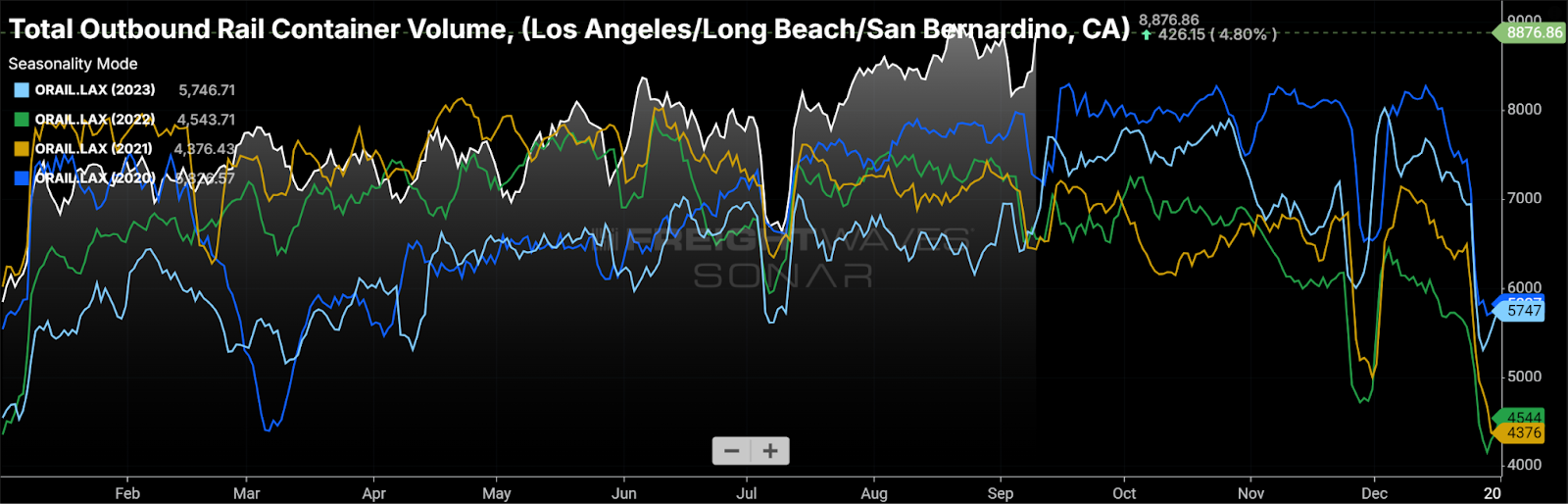
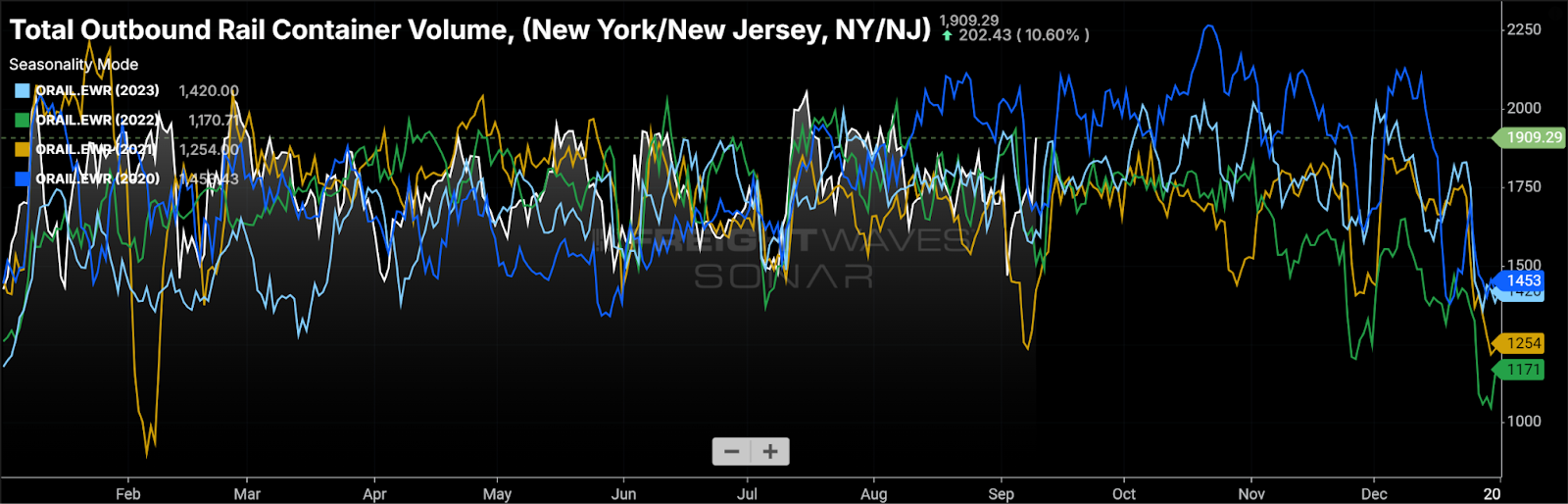
The cessation of rail movements means there are likely to be major disruptions at ports, where rail takes goods into the interior of Canada and also to the US. The rails are already announcing embargos which mean that they will not accept new shipments in certain areas because of expected port congestion.

The Port of Vancouver has already ordered ships on their way there to slow-steam because they fear they will not be able to move cargo out or into the port.

To top off the labor confusion, the US East Coast Ports are engaged in negotiations with the International Longshoremens Association (ILA), the major union representing 85,000 members. The ILA has indicated that October 1 will begin a strike if a new contract is not agreed. There does not seem to be a clear path to agreement.

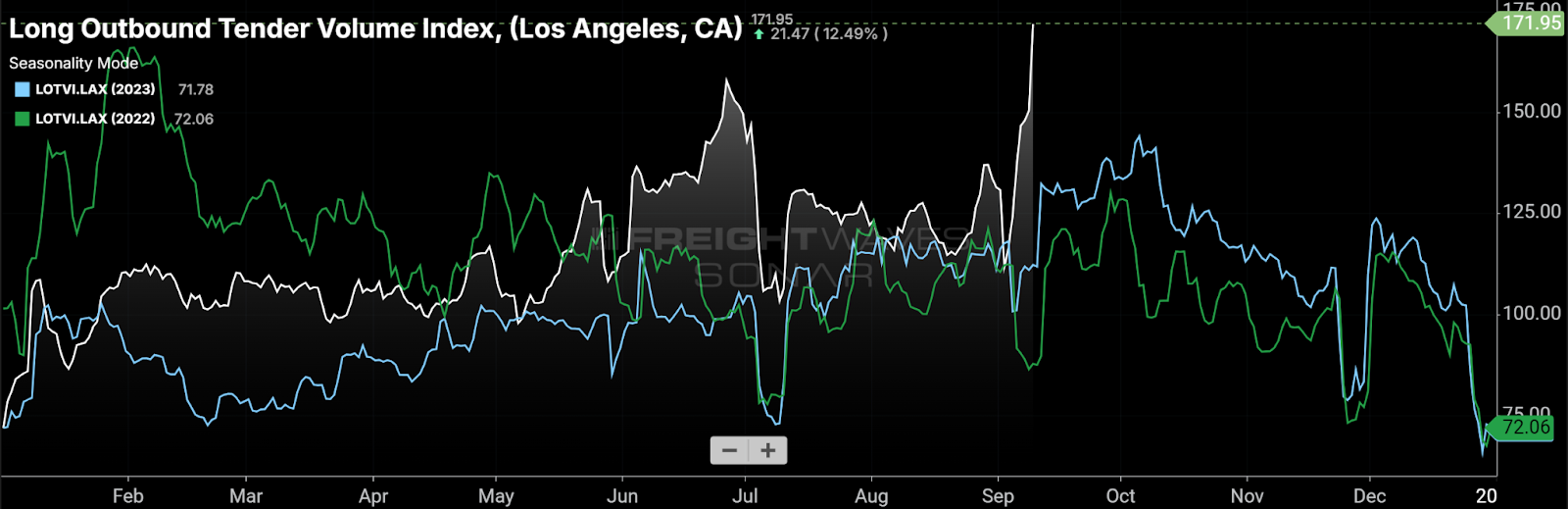
Shippers and Ocean Carriers are already preparing. Cargo is shifting to the West Coast US Ports, where an agreement was completed last year. I expect the East Coast ILA members expect similar if not better contracts, because East Coast ports have been prospering for the last couple of years. Their first glitch was when the Panama Canal reduced its traffic due to an extended drought. Traffic started shifting to the West Coast then. Now the Panama Canal is near its former levels, and traffic is rising again. The East Coast Ports do not need a strike right now.

But that’s exactly why the unions are playing hardball.

We’ll see how it plays out.

FreightWaves Staff· Monday, August 19, 2024

Teamsters Canada Rail Conference delivers strike notice to CPKC; CN delivers lockout notice

By Charlotte Goldstone 20/08/2024

Congestion ‘rearing its disruptive and costly head’ as Canada rail strike looms

UPDATE: Rail contract talks continuing; Vancouver port acts ahead of possible stoppage

Seatrade logo

Nick Savvides | Aug 16, 2024

US East Coast port strike the next spanner in supply chains

By David Ljunggren August 19, 20249:10 AM MST Updated a day ago

Explainer: Why Canada is on the verge of an unprecedented rail labor stoppage

Geopolitics and shipping

Geopolitics is having a great effect on ocean shipping today. Trade is where wars are fought now. It may have been true in the past as well, but the means and methods are changing rapidly.

I listened to this podcast featuring Jon Thompson, co-founder and commercial director of Ambrey, an international risk management company. He made several interesting points.

What’s become possible only recently is to combine, using digital infrastructure, information about many factors into an overview of the risk attendant on any voyage. Ambrey has been working on displaying info about piracy, missile attacks, weather, environmental zones, conflict zones, fuel availability and usage, and others, so it can be incorporated into contracts and insurance provisions, as well as used by captains and ship managers to plan voyages to reduce risk and increase profit.

Ambrey started out supplying onboard security to ships, intending to prevent piracy. But their vision has now expanded to all the hazards commercial ships face; assessing, rating, and providing insurance against them.

Another point he made is that the oceans, 70% of the earth, are becoming better understood and measured. Ocean shipping needs to take advantage of this increasing knowledge about who’s using them where and what conditions they are facing.

John Thompson’s view of the data, analytics, and AI involved, and the business aspects it affects, is most interesting. Take a listen.

John also has interesting views on what he and others look for in hiring new people.

Seatrade logo

Marcus Hand | Aug 08, 2024

https://www.seatrade-maritime.com/ship-operations/geopolitics-and-shipping-john-thompson-ambrey

Red Sea ripples spread across trades

The repercussions of the Red Sea crisis have been longer-lasting and more severe than many shippers thought. Shippers expected delays proportional to the extra sailing time. They may have expected proportional cost increases as well.

But they did not count on such factors as the extreme congestion in Singapore and in other ports. And in ports that have become pivotal, there are looming shortages of equipment such as chassis.

It looks like the disruptions will be with us awhile.

Trade besides containers is also in an upheaval. Sam Chambers’s recent Splash story points out that there is landside competition for capesize ocean shipments of coal.

Mongolia has always had big coal deposits, but moving the coal to international users was a problem. But new rail lines are making the country a viable source for China. China is also importing more from Russia. This chart from Drewry’s shows how the mix of countries China imports from has changed over the past few years.

BAr chart of China coking coal imports

The impact on shipping is that there will be less demand for capesize bulkers to import from Australia and Indonesia.

This is one more piece of evidence that global trade is radically changing. It will affect both shipowners and shippers in ways that are hard to foresee. Hold on to your hat!

By Charlotte Goldstone  29/07/2024

Red Sea ripples spread across container trades

Sam Chambers July 30, 2024

soaring Mongolian coal shipments by rail to China